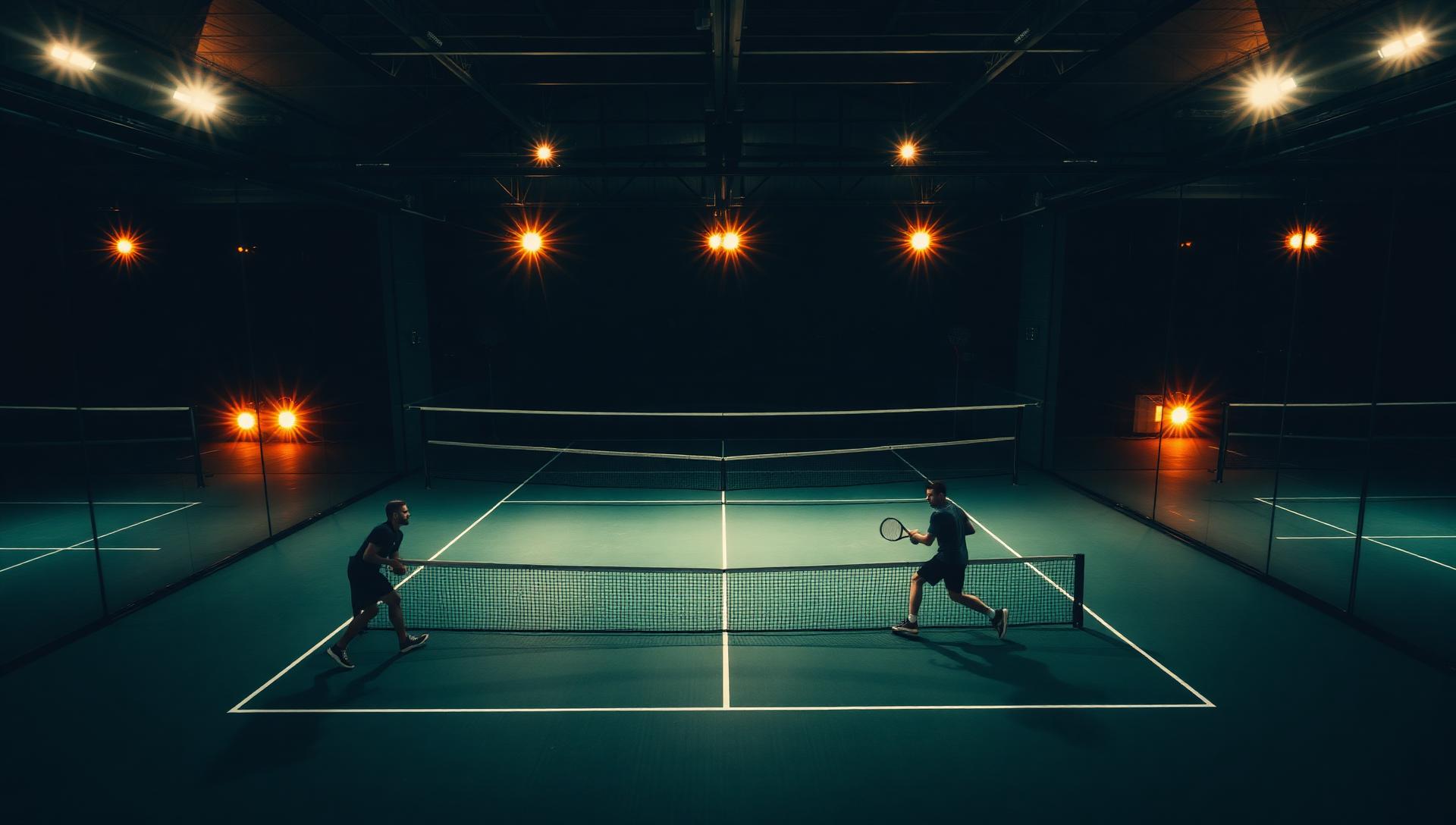
Sport is the engine.
Place is the product.
Three distinct concepts. One platform philosophy. Every format engineered to make real estate work harder, build community deeper, and generate returns passive square footage never could.
Programmed destinations outperform passive real estate.
The gap between a building that houses people and a destination that activates them is programming — the right sport, the right social layer, the right membership model, and the right operating engine to run it all day, every day. That is what this platform delivers.
Independent concepts.
Combine in part, fully, or stand alone.
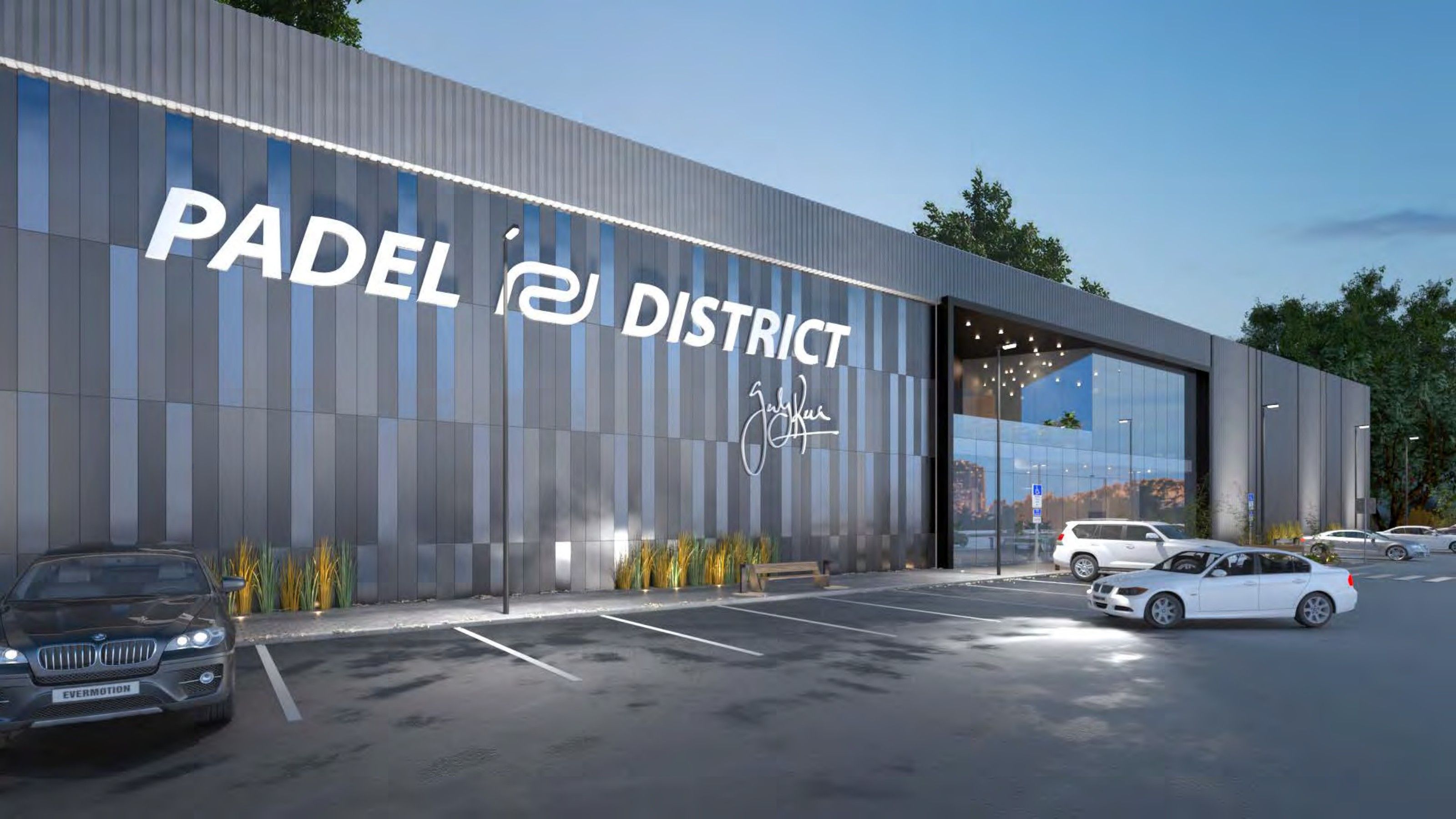
Two padel formats. One operating standard.
UPD — the urban insertion product installed inside existing and new buildings (Nano to Boutique, ≤5,000–18,000 SF). Gaby Reca Padel Academy — the ground-up standalone destination racquet club (Flagship, 44,000–47,000 SF), targeted at East River, Houston TX.
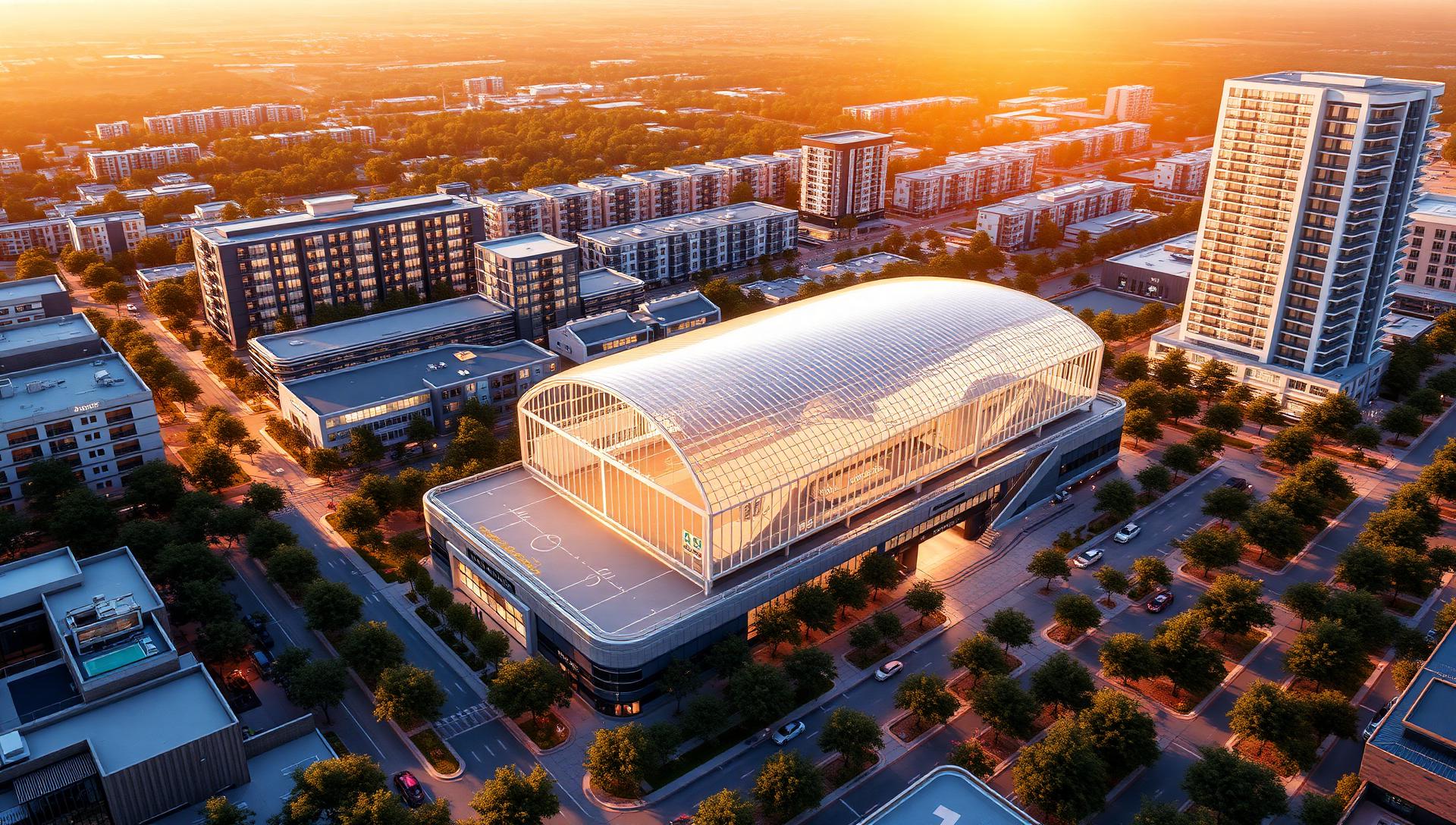
The campus concept. Live. Work. Play.
A TWC-developed sports-first live-work-play campus — anchored by a SilliS hub and surrounded by hotel, residential, retail, arena and academy programming.
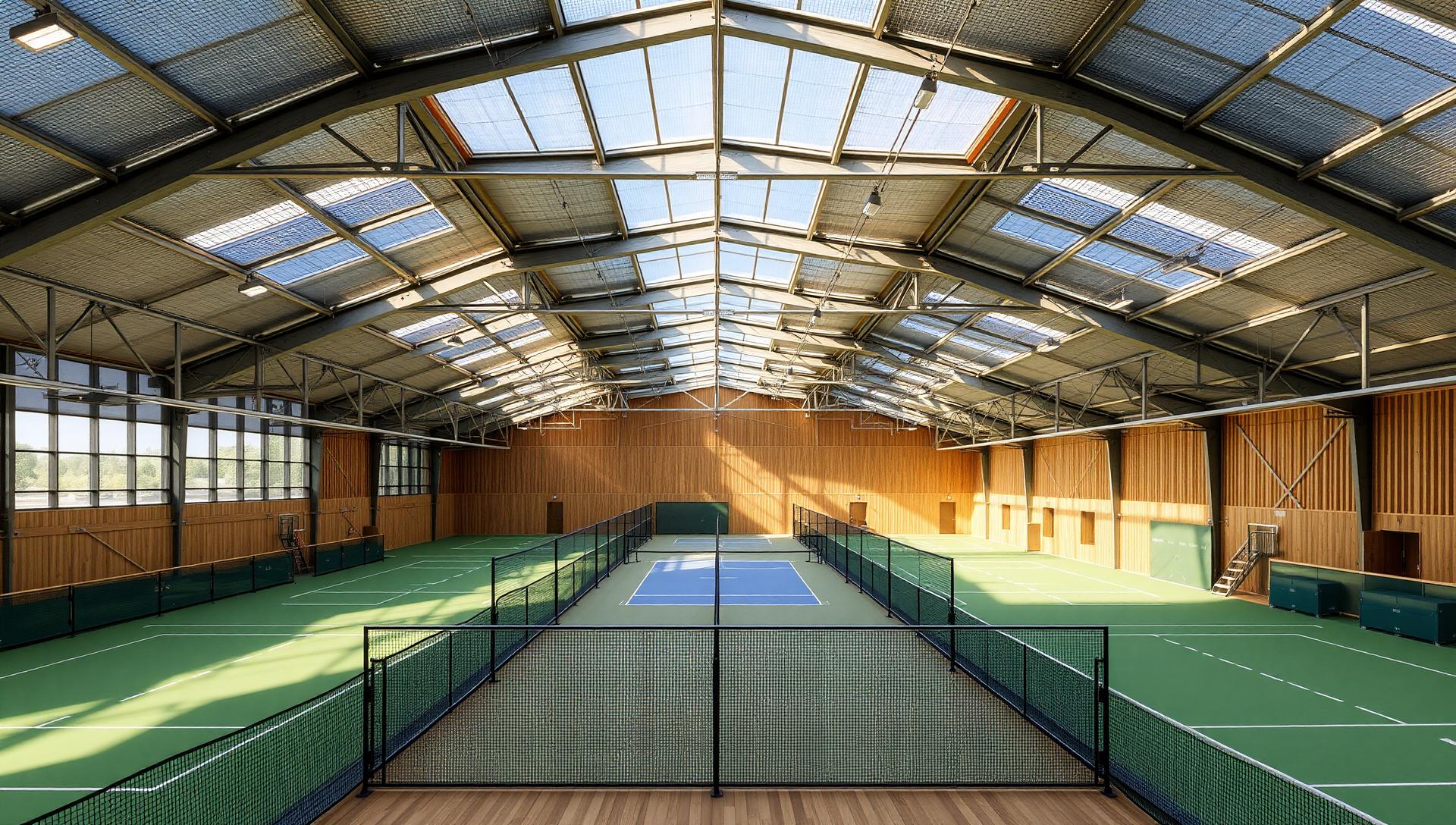
The multi-sport hub. Modular. Purpose-built.
A prefabricated indoor sports facility — tennis, padel, pickleball, basketball, soccer, volleyball and more. Standalone or campus anchor.
The category standard for the next decade is being set right now.
Racquet and multi-sport facilities have moved from amenity line item to stand-alone asset class. Pickleball, padel, indoor tennis, badminton and squash are all compounding double-digits — and the U.S., Texas and Houston are structurally undersupplied at the premium end.
Sources: SFIA Topline Participation Report 2024, USA Pickleball, USTA, APT/PPA reporting. Pickleball is the fastest-growing sport in the U.S. for four consecutive years; tennis added ~7M players post-2019; padel is the fastest-growing globally, now entering U.S. urban markets.
Sources: International Padel Federation, Playtomic, USA Pickleball facility audit, Deloitte Sports Industry Outlook. The U.S. is the single largest undersupplied racquet market on the planet — every major operator is racing to lock urban footprints before 2027.
Benchmarks compiled from Life Time, Equinox, Manhattan/Brooklyn Padel, Pickle Pop, Reserve Padel, CIRCA Sports and JLL Sports & Entertainment sector reports. Programmed racquet destinations clear 3–5× the revenue per square foot of standard gym amenities and 2–4× class-A office — with member retention rates north of 80%.
Sources: U.S. Census ACS 2024, Greater Houston Partnership, USTA Texas Section, Playtomic US heat-map (Q1 2025). Texas is a top-5 padel growth market behind Florida, California, New York and Arizona. Houston, despite being the 4th largest U.S. metro, has effectively zero premium indoor padel supply and a single comparable purpose-built racquet destination — the entire metro is open white space.
Pickleball, padel and indoor tennis are the three fastest-growing participation sports in the U.S. — and the only ones whose growth curves are still accelerating.
The U.S. is short ~25K pickleball courts and ~29K padel courts versus 2030 demand. Houston is short essentially the entire premium category.
Programmed sport-led real estate generates 3–5× gym amenity revenue, 2–4× class-A office, and member ARPUs comparable to luxury hospitality.